

Greyscaling
What I love about black and white photography

It’s weird that black and white photography is still a thing.
I’ve spent more hours in darkrooms than I care to count – a good 20% of my 20’s probably! It’s been over a decade since I’ve been in one though, having shifted entirely to digital after a reluctant adoption curve starting in the late 1990s. This was of course pretty much all black and white – usually Ilford Multigrade paper, occasionally fibre based Agfa, now and again toning with Selenium or other concoctions that had caught my eye in the supplies shop. I did occasionally print colour, but (a) it was much more expensive, (b) I needed a different process with much better calibrated temperatures, and (c) it was just not as creative or experimental.1
As a representative medium, it would seem that photography in colour should have superseded black and white as a better representative medium and closer to life. But like the emergence of photography when painting was the alternative, that doesn’t seem to have been the case.
One thing I love about black and white is that it is both true to life, and abstract from it at the same time, which make you look more clearly at the subjects in the image. You lose some reality of course, which if that’s what you want, detracts from the image (e.g. Martin Parr’s photos were much better in colour than black and white because he was reflecting reality through his ‘mirror’ not analysing).
The second element I think is great about black and white is that it makes you focus on light as the subject, and composition becomes more critical. Shapes, textures and shadows have their own presence in the image, not just a bit more detail - in a colour image, the poor cousins to colour itself.
Lastly I think it helps remind us that moments are just that - definite moments, special moments, critically - moments - not just a still from a movie of our lives, and a reminder to take notice of the present, which is gone before you stop to think.
Would love to hear what people think of colour vs black and white. I love both, but they seem worlds apart in impact and their very nature and our relationship to both photographer and viewer.
What do you think?
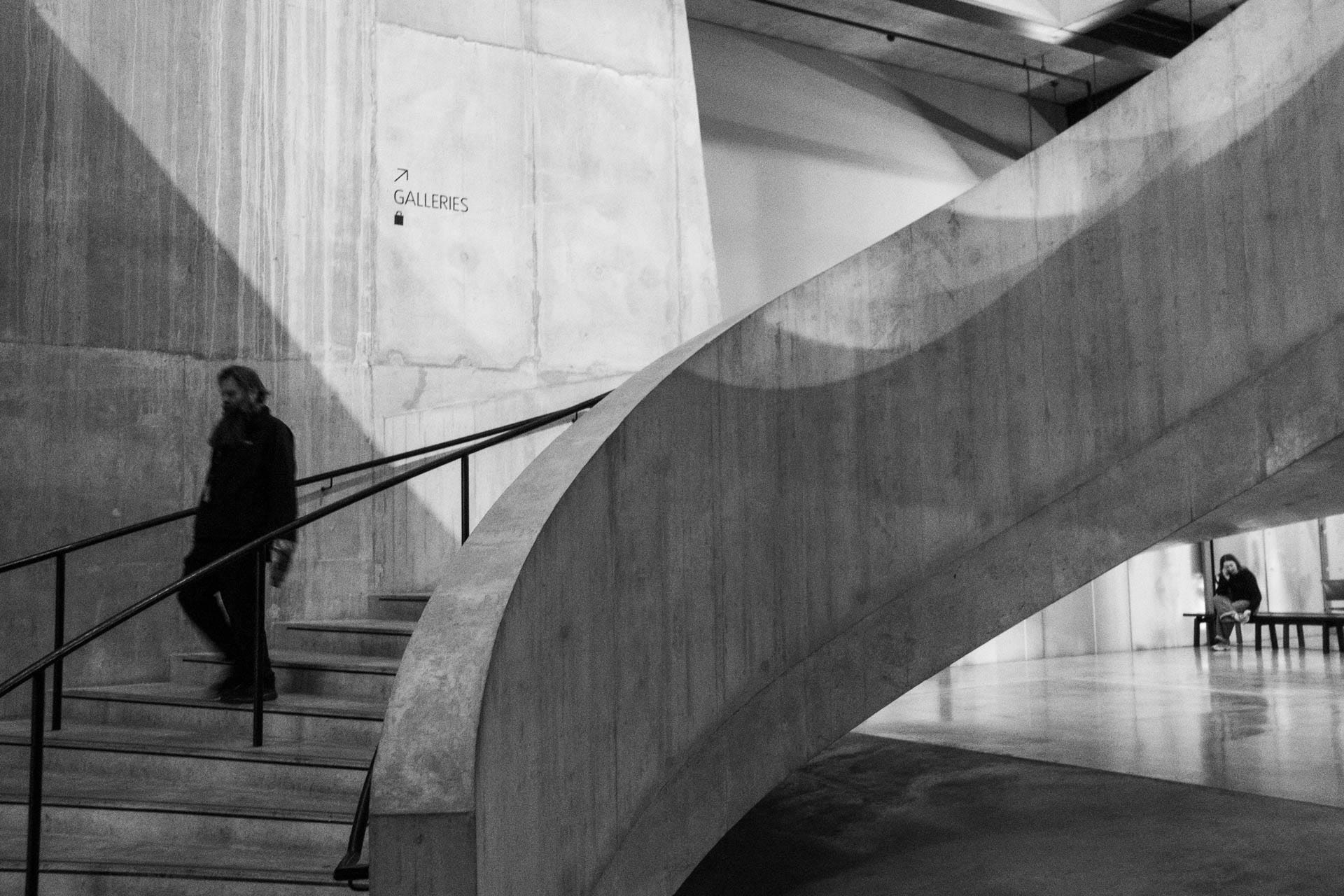
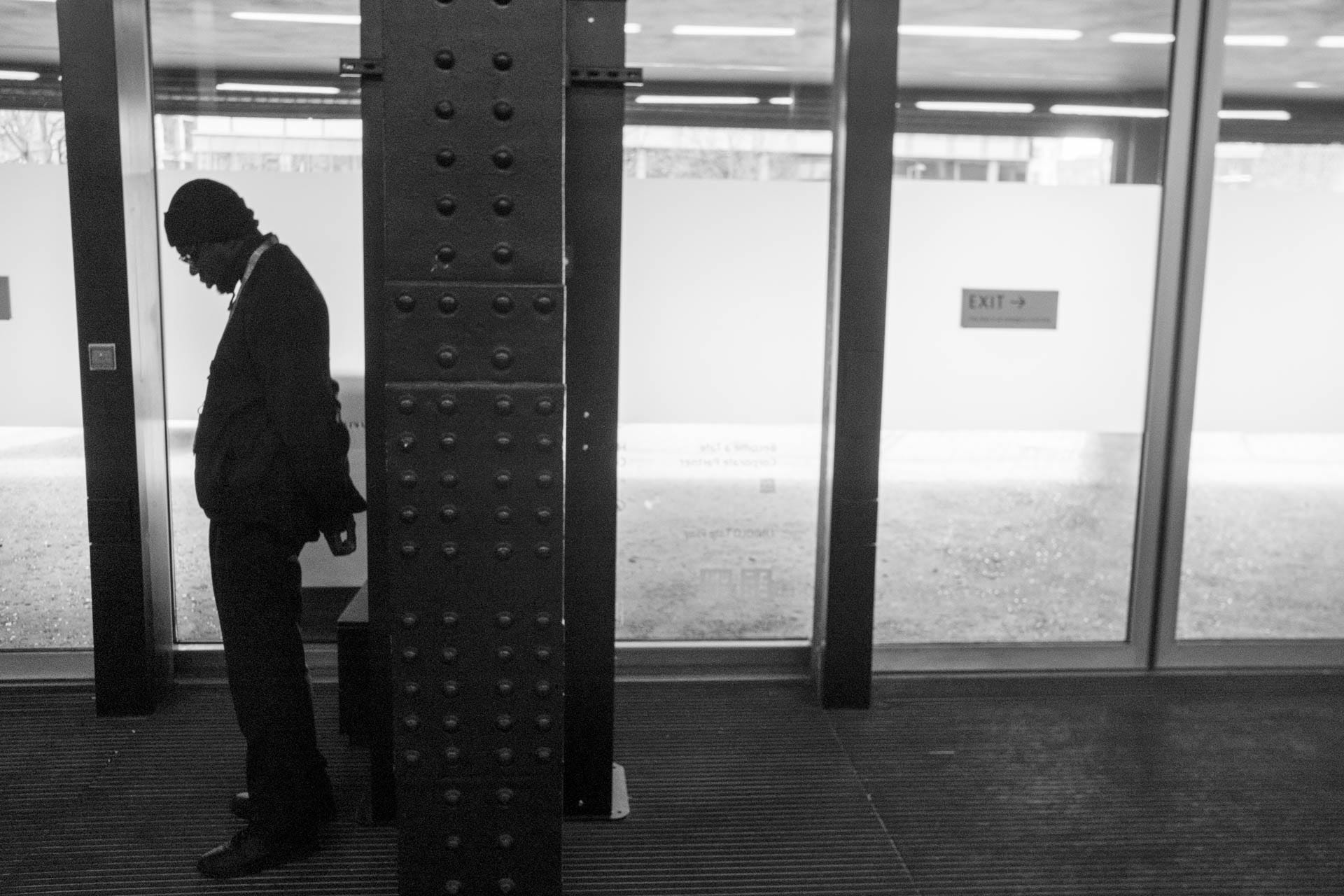
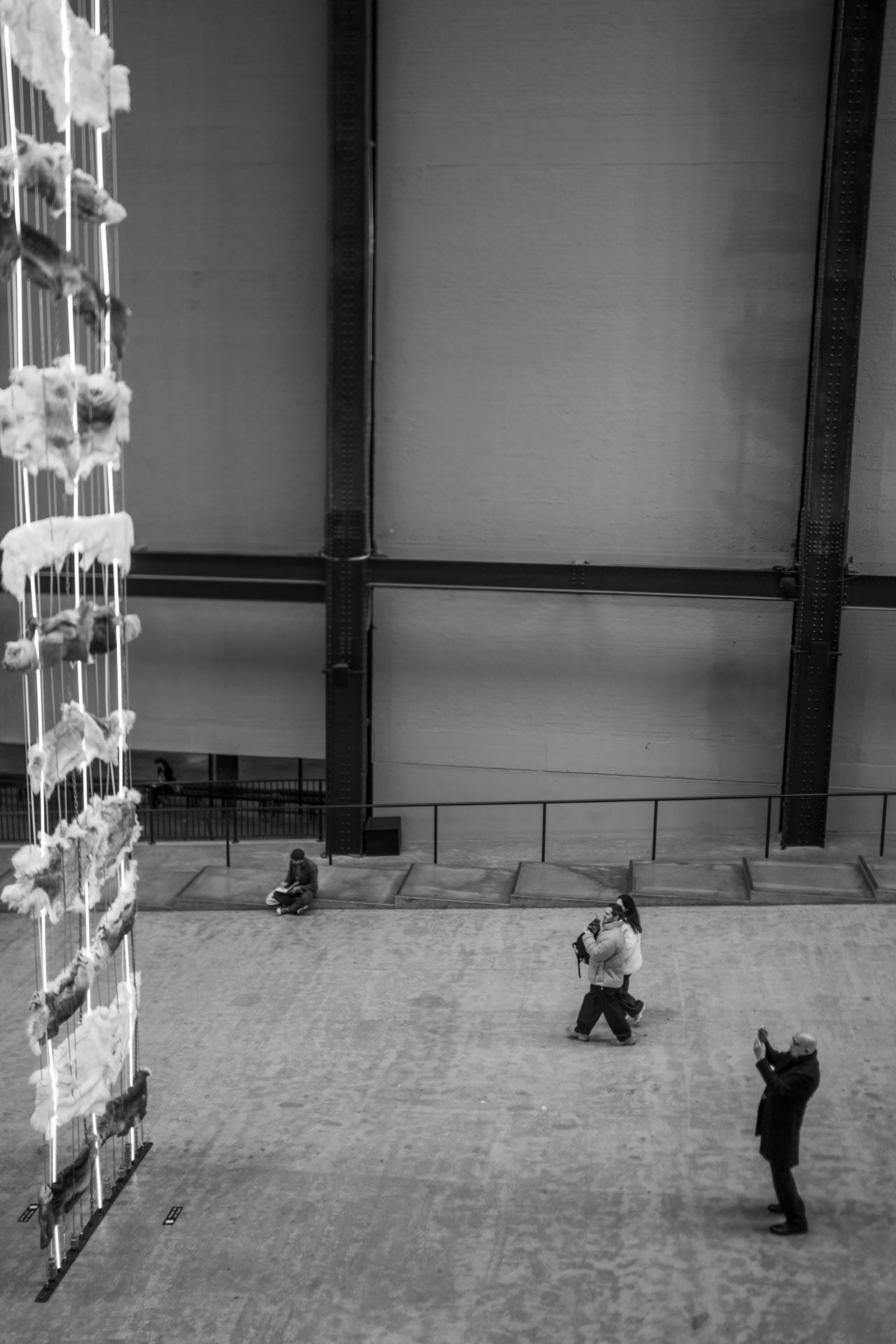
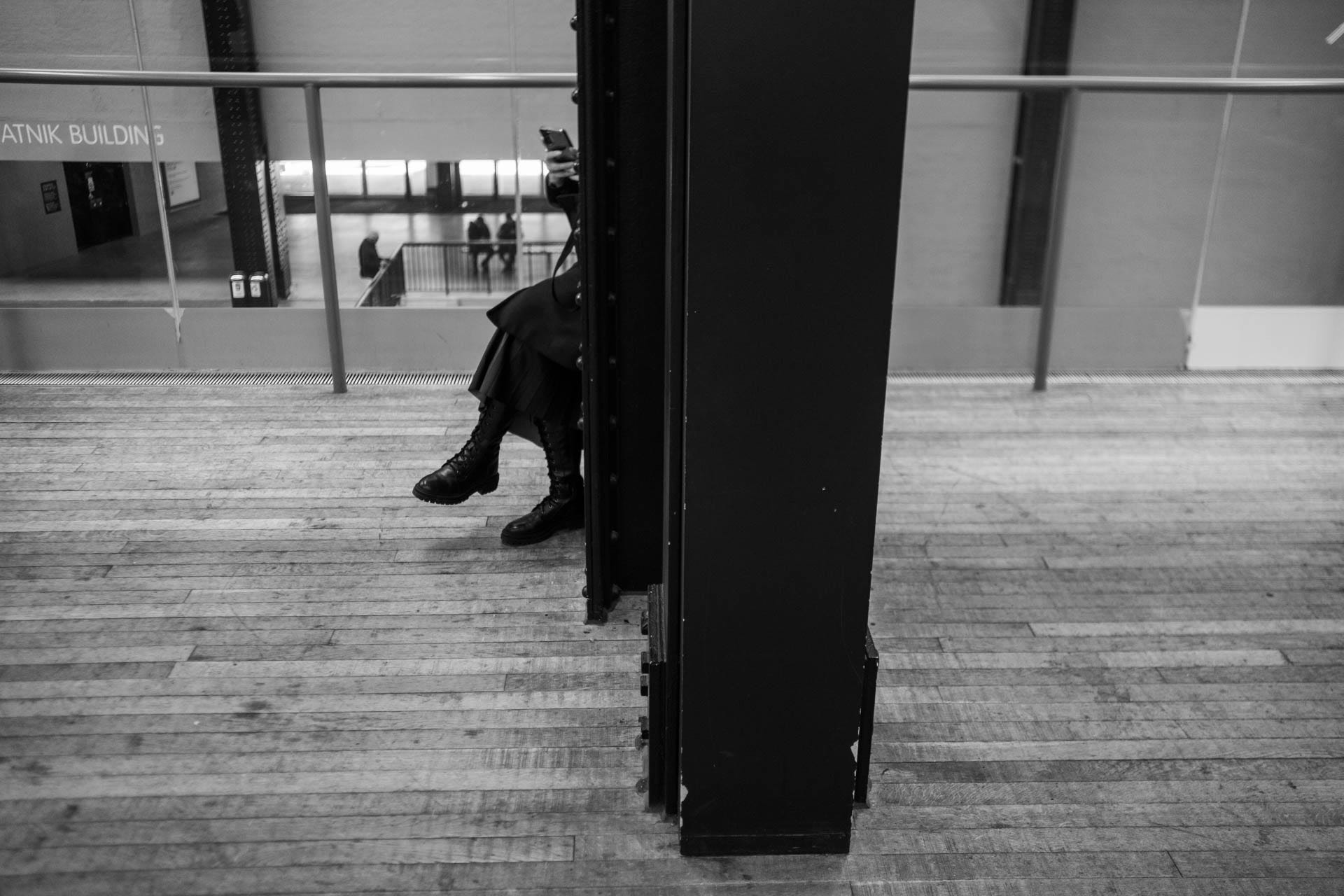
Gallery views and a short walk – Tate Modern and vicinity
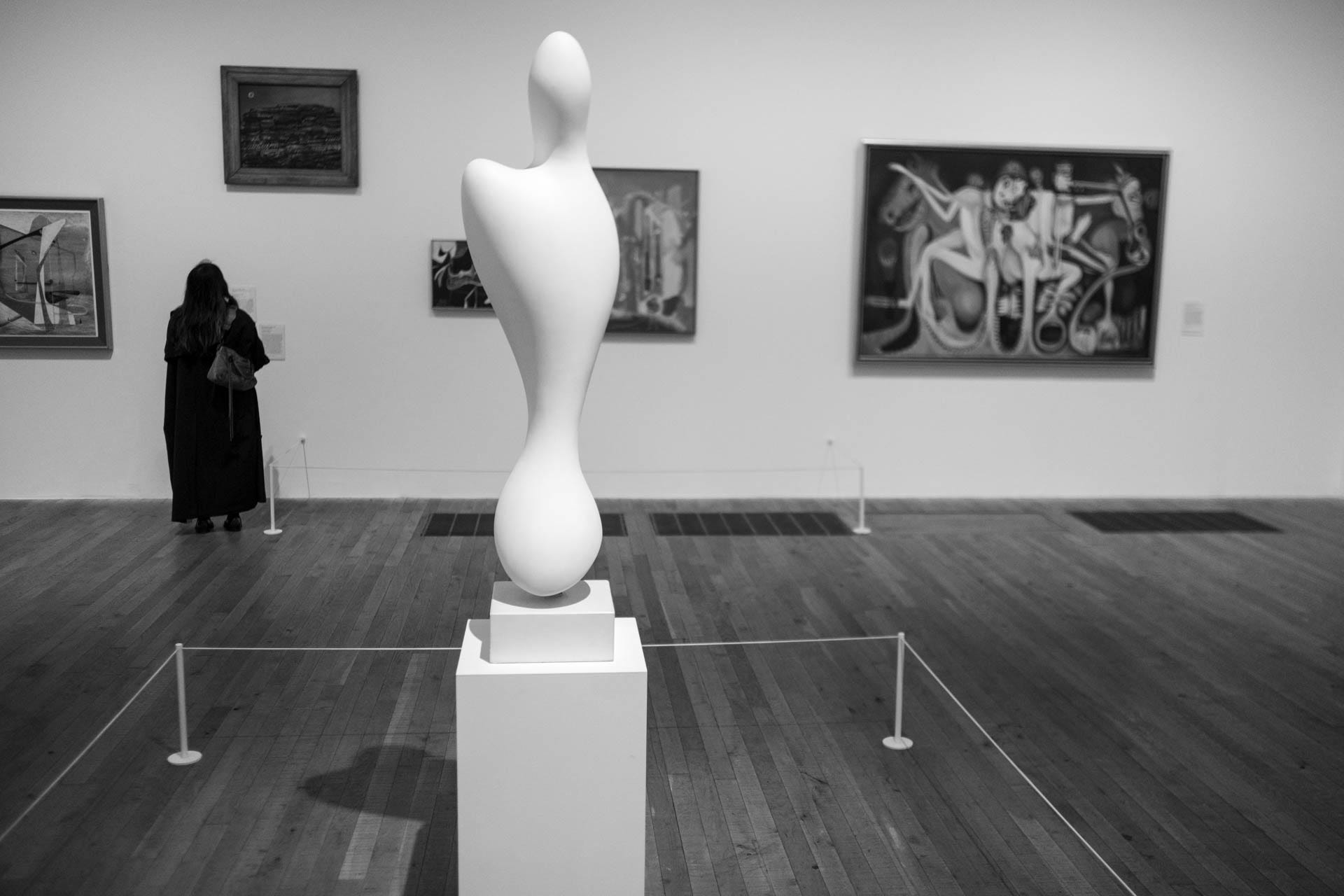
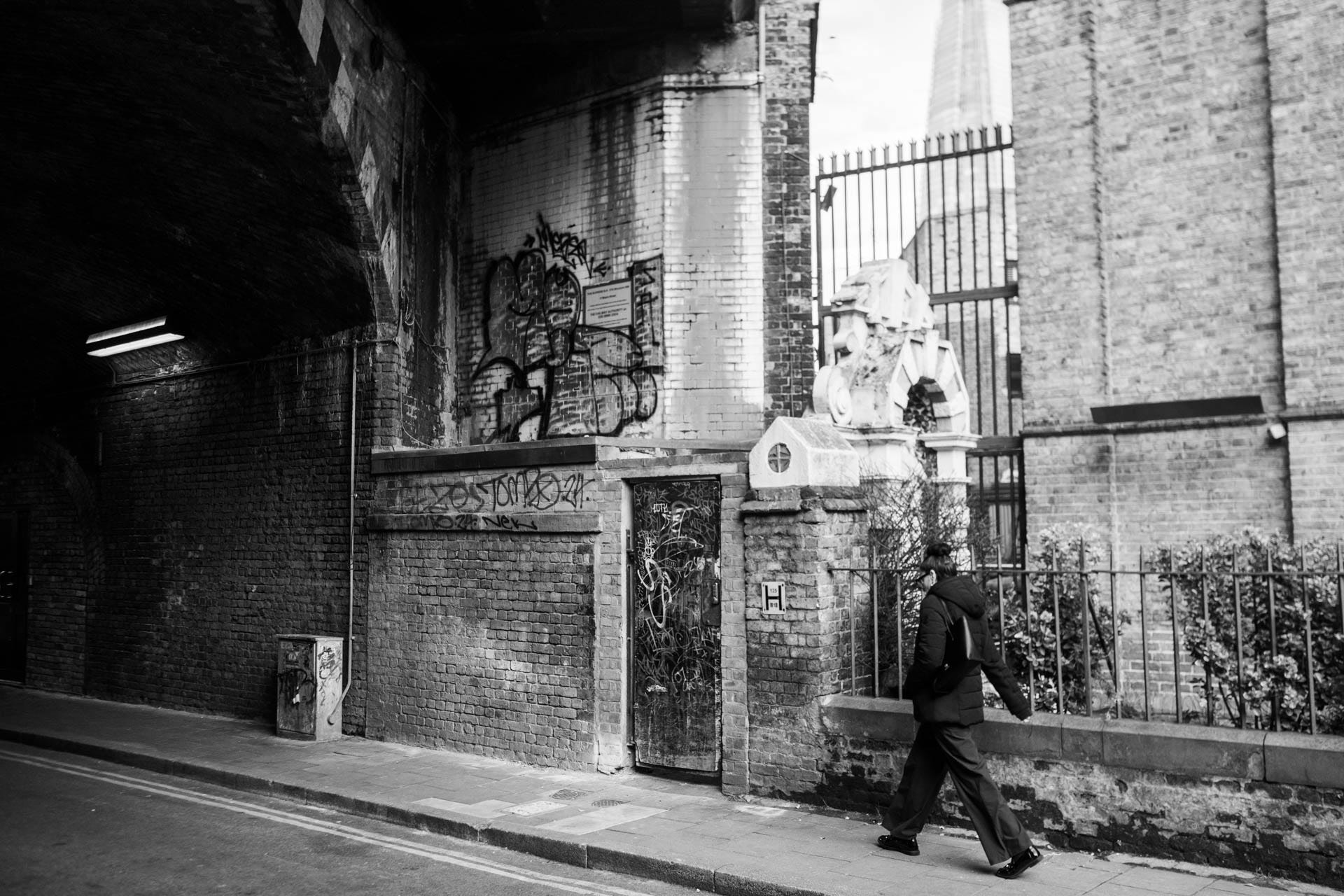
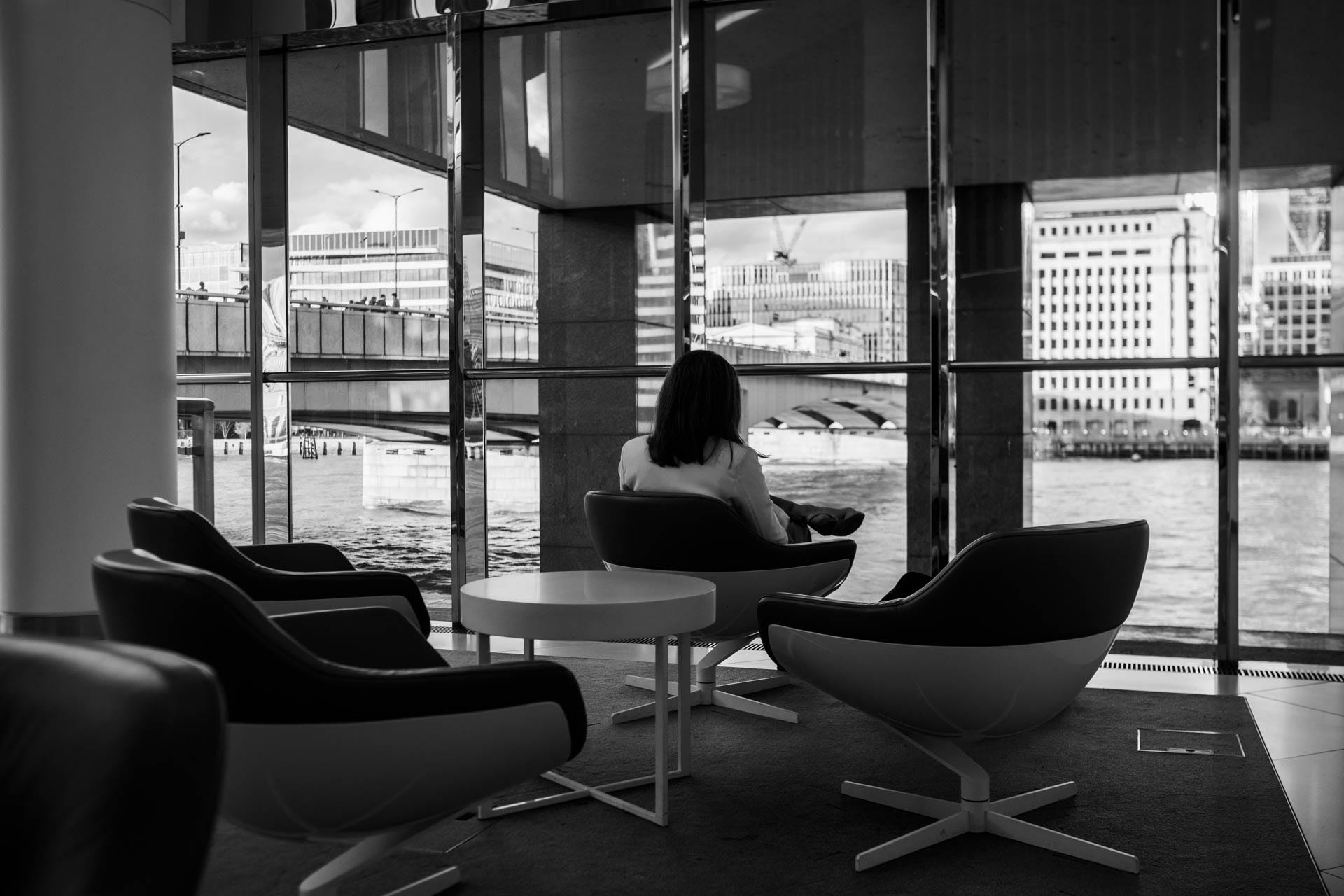
Keep curious!
James
I’m sure it can be creative and experimental, I just didn’t have the equipment or the patience to go down that route properly in the darkroom.
I’ve been doing a lot of thinking about black & white over the past year. My question isn’t: is it still relevant? It’s why do we still teach it the same way? We don’t encounter it the same way anymore.
Black & white was the first thing you learned in photography by necessity—color was hard to access—and when it became accessible, for the most part, it wasn’t designed for artists.
Today people take a completely different path. Digital color photography is the first thing people encounter. Usually on their phone and Maybe later with a camera. They may discover black & white when they take a film class.
Nearly every digital photographer has tried with a black and white film simulations or clicked the B&W button in Lightroom. But most did this without guidance. Digital photographers deserve to be taught Black & White and taught in a way that assumes they have already mastered photography.
You touched on a bunch of the topics, light as subject, texture, etc. But there is much more: What subjects work better in black & white? Which fail? If black & white is a choice, when to choose it and why? Different methods of converting photos taken with a color digital camera to black & white (in camera, film simulations, sliders, auto conversion buttons, etc.)
Look at community college catalogs and community photo school class listings. B&W is taught mostly through film. Digital is color.